Geotechnical and Dam Engineering Services
From Ground Behaviour to Dam Performance
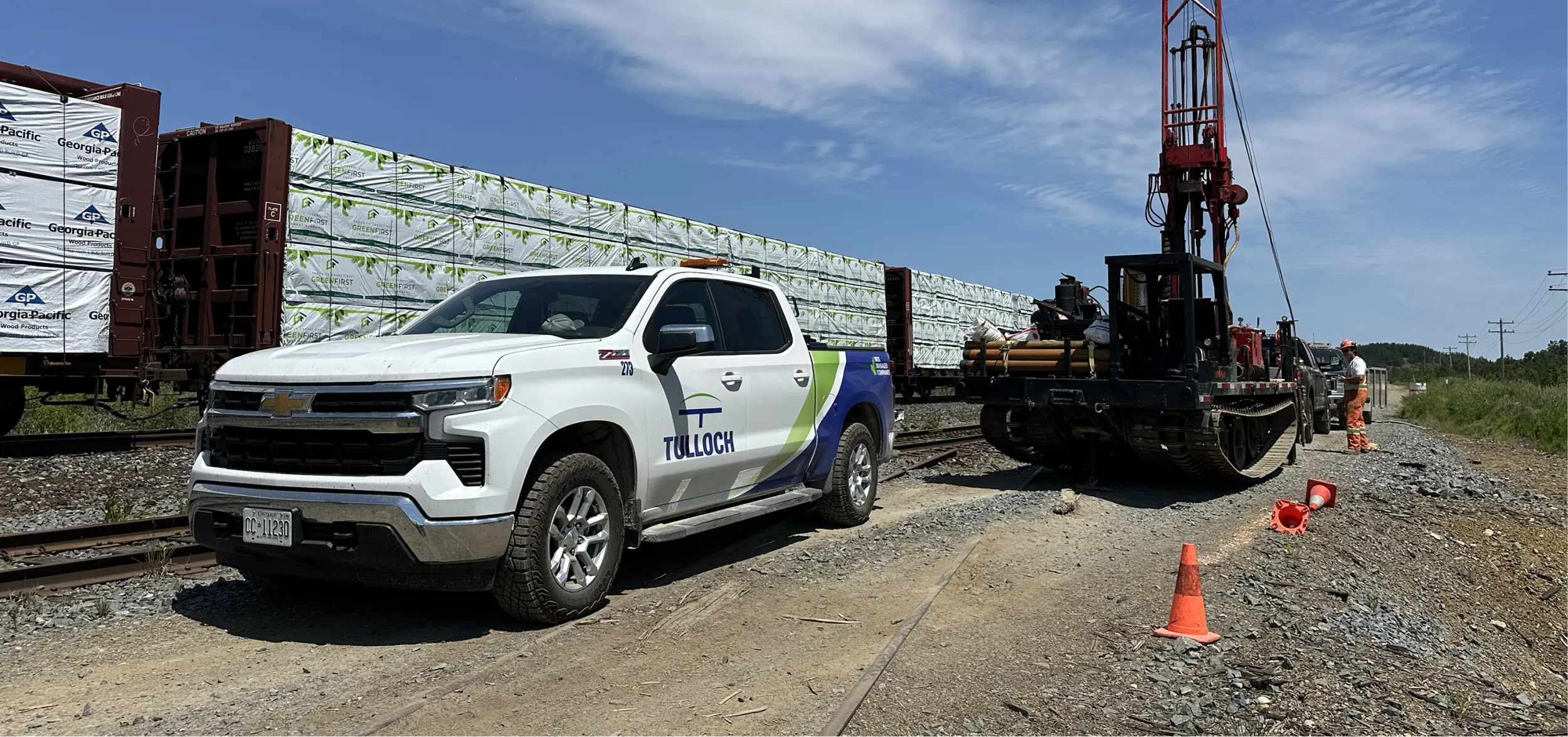
TULLOCH provides geotechnical and dam engineering from site investigation through design, rehabilitation, and performance assessment. Our teams evaluate soil, rock, groundwater, foundations, slopes, dams, and related systems to develop technical recommendations based on site realities and project requirements.
Why Work With TULLOCH?
Engineering Decisions Grounded in Site Conditions
Subsurface Clarity
Ground investigations and analysis clarify subsurface risks and guide decisions about foundations, earthworks, and buried infrastructure.
Strategic Dam Planning
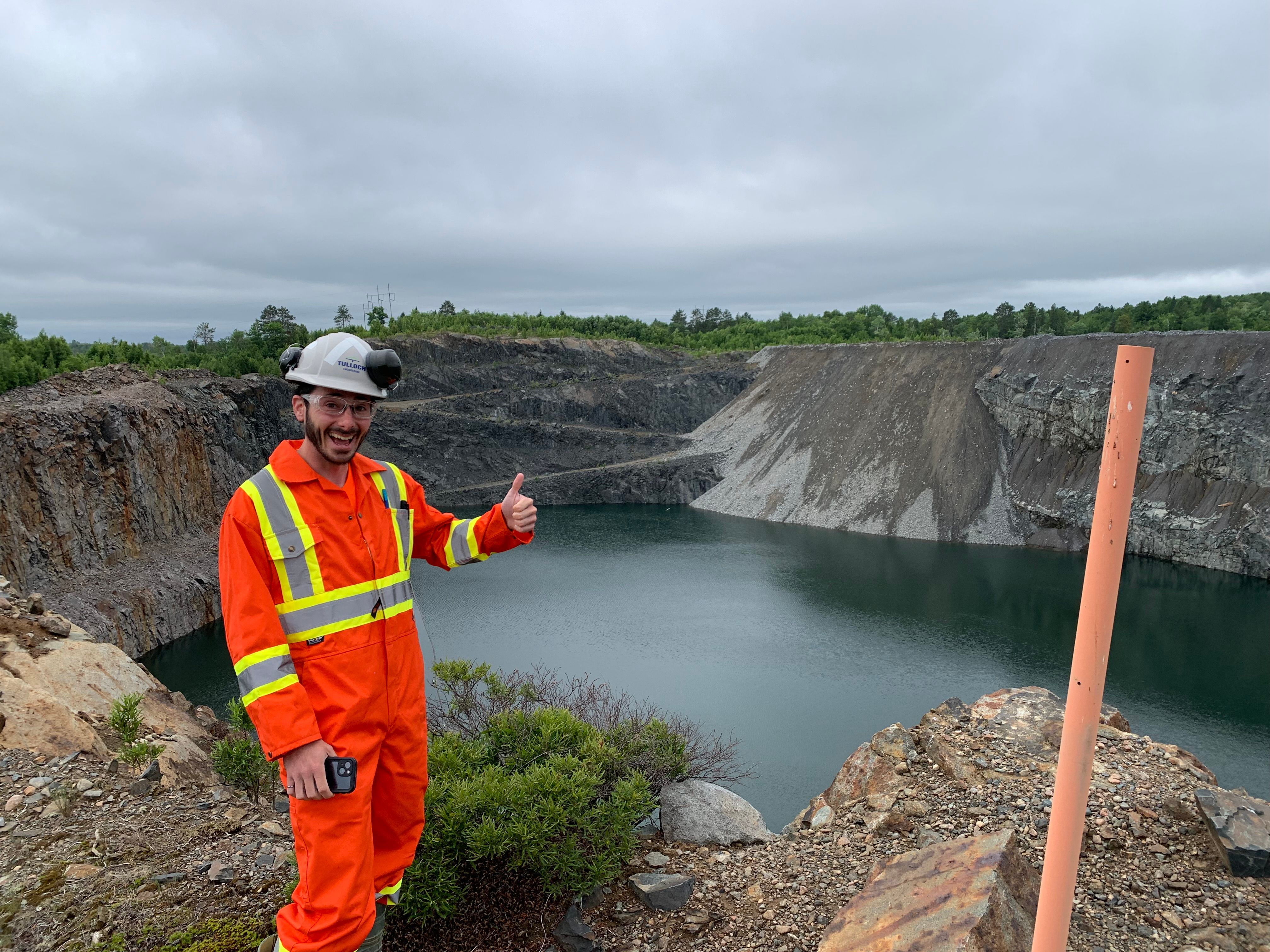
Inspections, reviews, and technical assessments help owners prioritize investigations, maintenance, rehabilitation, and risk management actions.

Field Insight
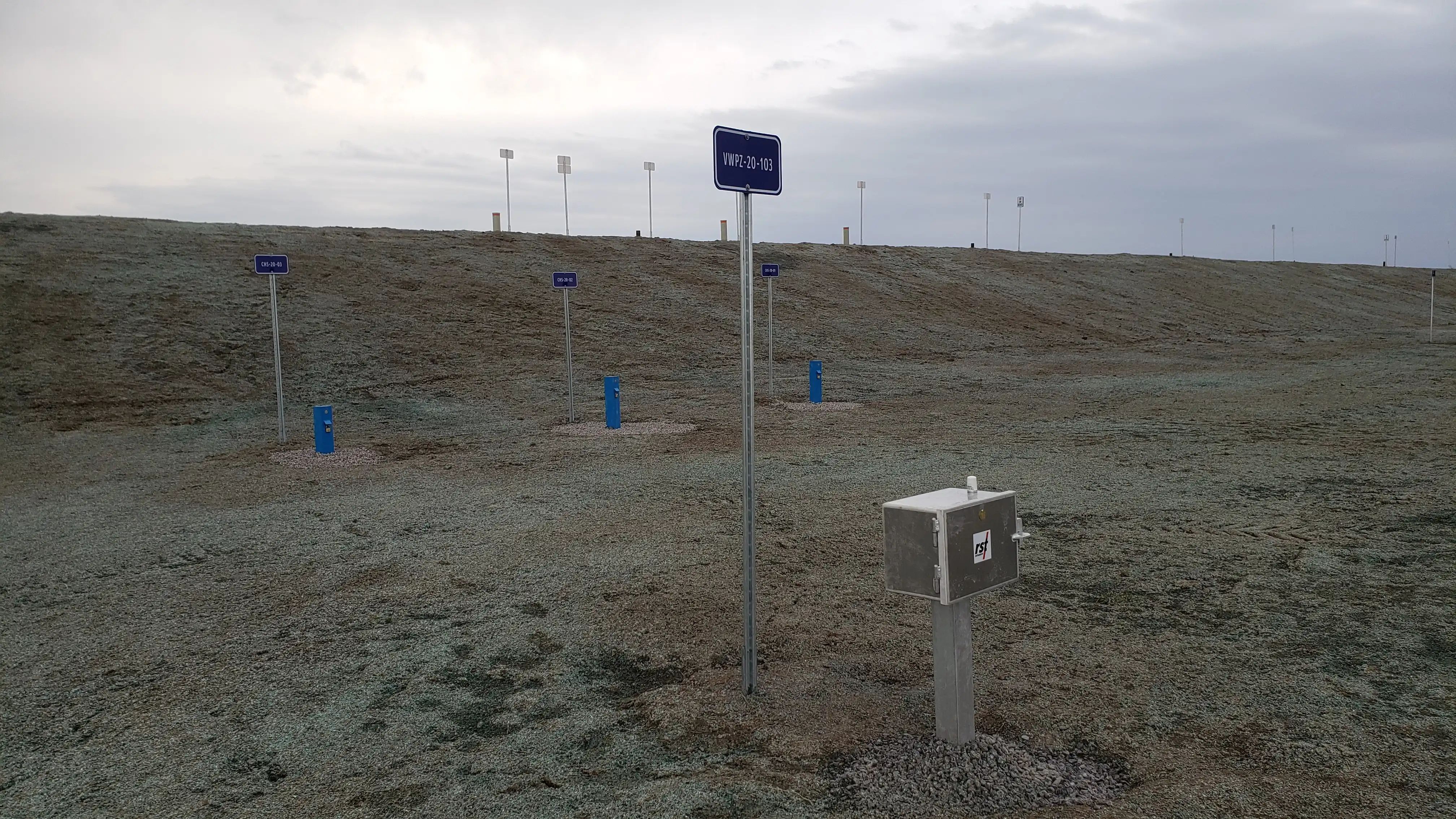
On-site support, instrumentation, and monitoring help project teams interpret changing conditions and take timely action during and after construction.
What We Offer
Service Areas
- Geotechnical site investigations
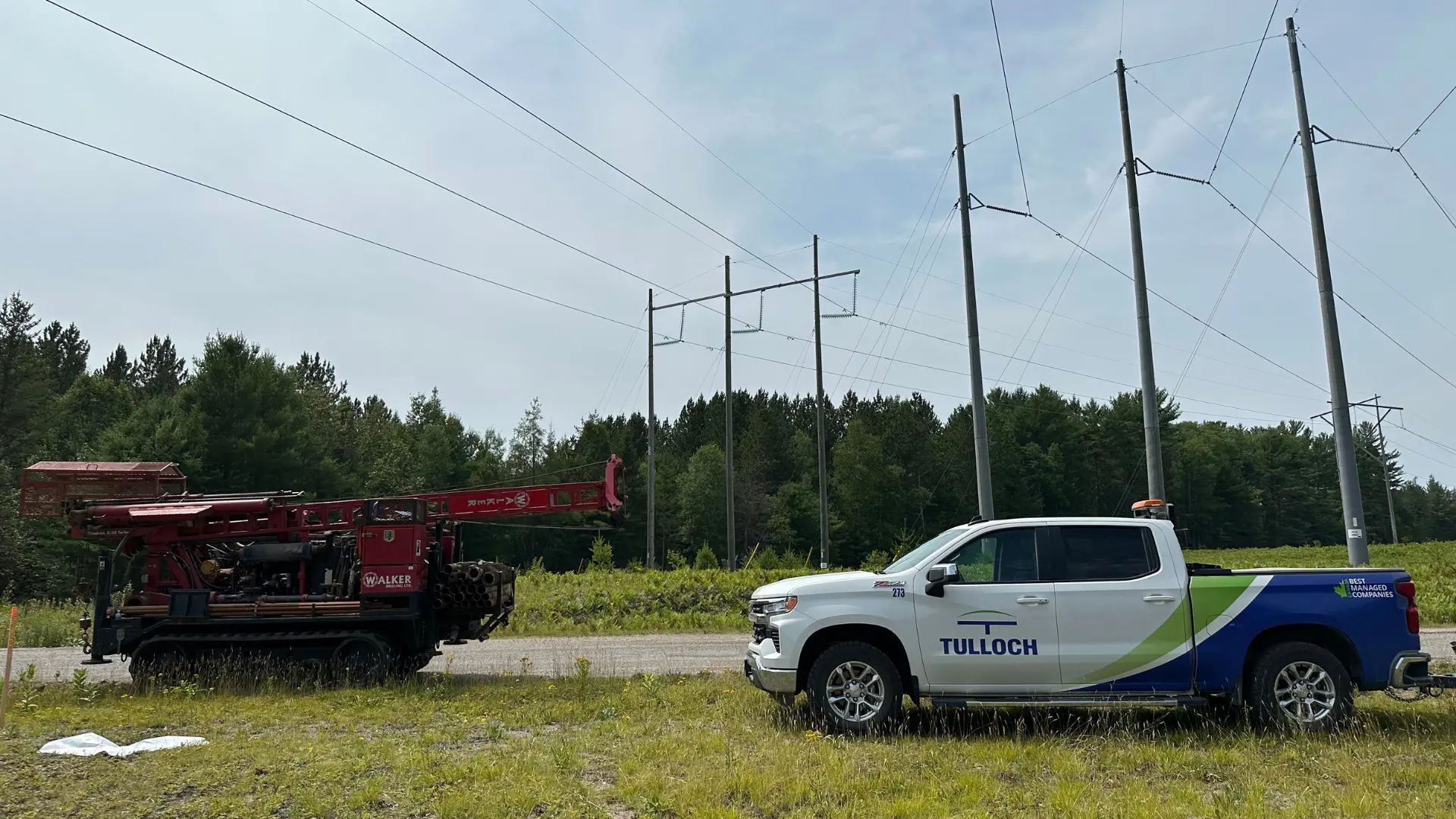
- Drilling programs, test pits, and in-situ field testing
- Soil, rock, groundwater, and geohazard characterization
- Foundation, subgrade, pavement, and earthworks design
- Slope stability, seismic, and liquefaction assessments
- Ground improvement, pile design, and verification testing
- Trenchless design and buried infrastructure support
- Retaining wall and shoring design
- Cofferdam and temporary causeway design
- Deep foundation and support system design
- Trenchless crossing support and design
- Groundwater control and seepage cut-off systems
- Geostructural analysis and modelling for supported structures and substructures
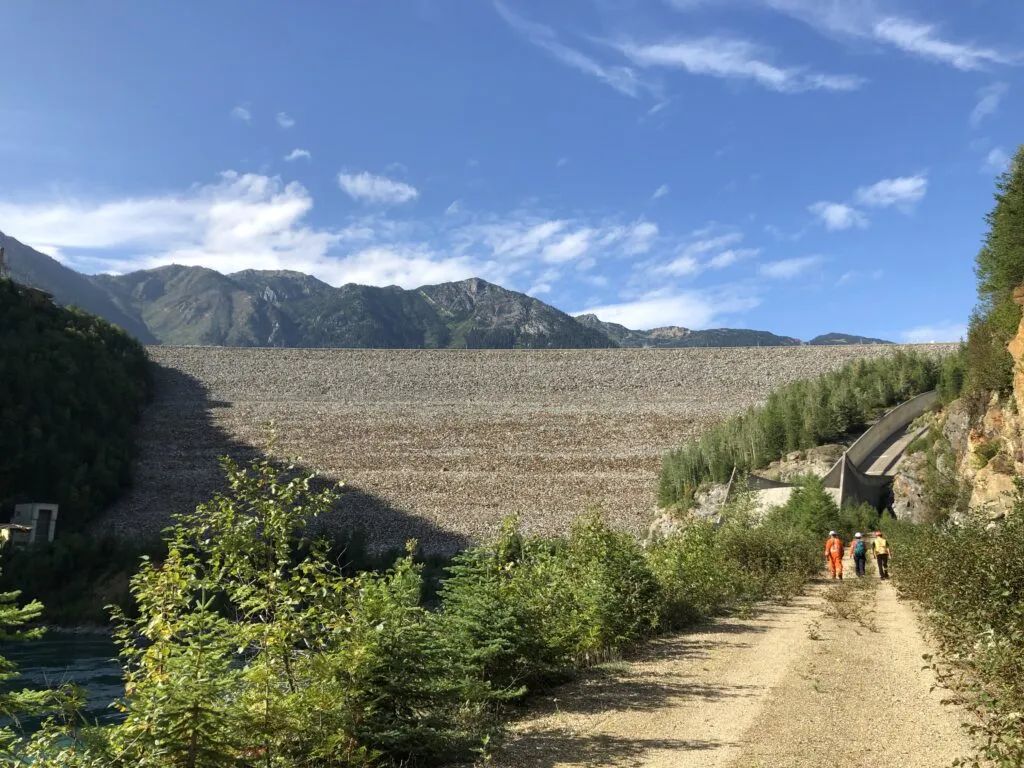
- Concrete and earthfill dam design, repair, and rehabilitation
- Constructability review and optimization studies
- Seepage control, drainage, liner, and collection systems
- Geosynthetic and geomembrane design
- Borrow source and construction material assessments
- Dam construction QA/QC inspections and documentation
- Tailings and mine waste management support
- Hydrotechnical engineering, including hydrologic and hydraulic modelling
- Hydrotechnical analysis and hydraulic structure design
- Dam Safety Inspections and Reviews
- Potential failure mode analyses
- Public safety reviews and mitigation planning
- Dam risk assessments
- Emergency preparedness planning
- Seepage modelling and stability assessments
- Dam breach analysis and inundation mapping
- Monitoring system design, installation, and commissioning
- Groundwater, settlement, deformation, and movement monitoring
- Robotic total station, InSAR, SAR, and real-time monitoring
- Data collection, interpretation, reporting, and visualization
- Cloud-based monitoring and data management
- System maintenance, troubleshooting, and training
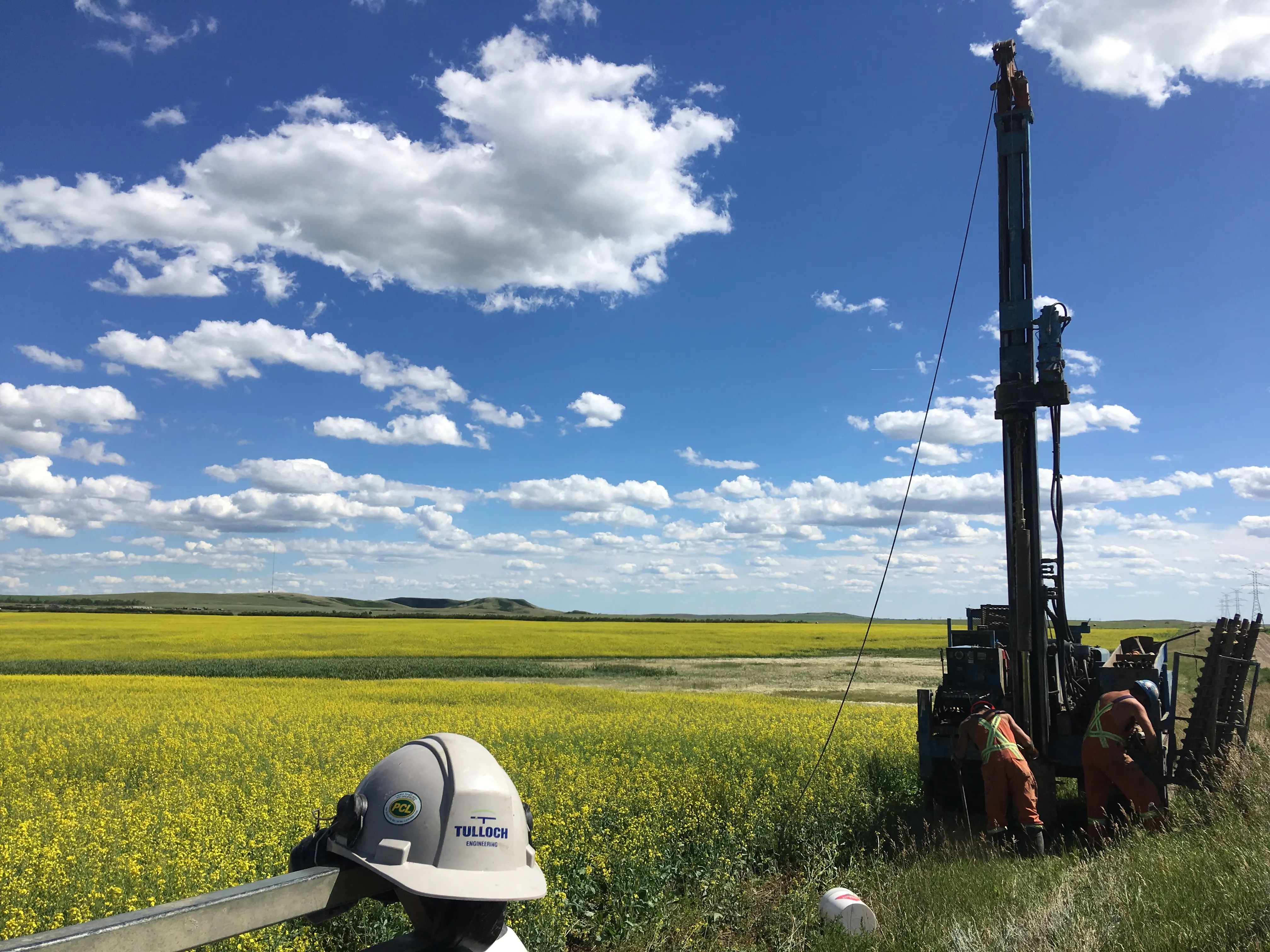
TULLOCH’s Geotechnical Engineering and Materials Testing teams work together to verify field conditions, assess material placement, and document compliance with project requirements.
Solutions in Action
Relevant Experience
Featured Projects
Waaban Crossing Bridge
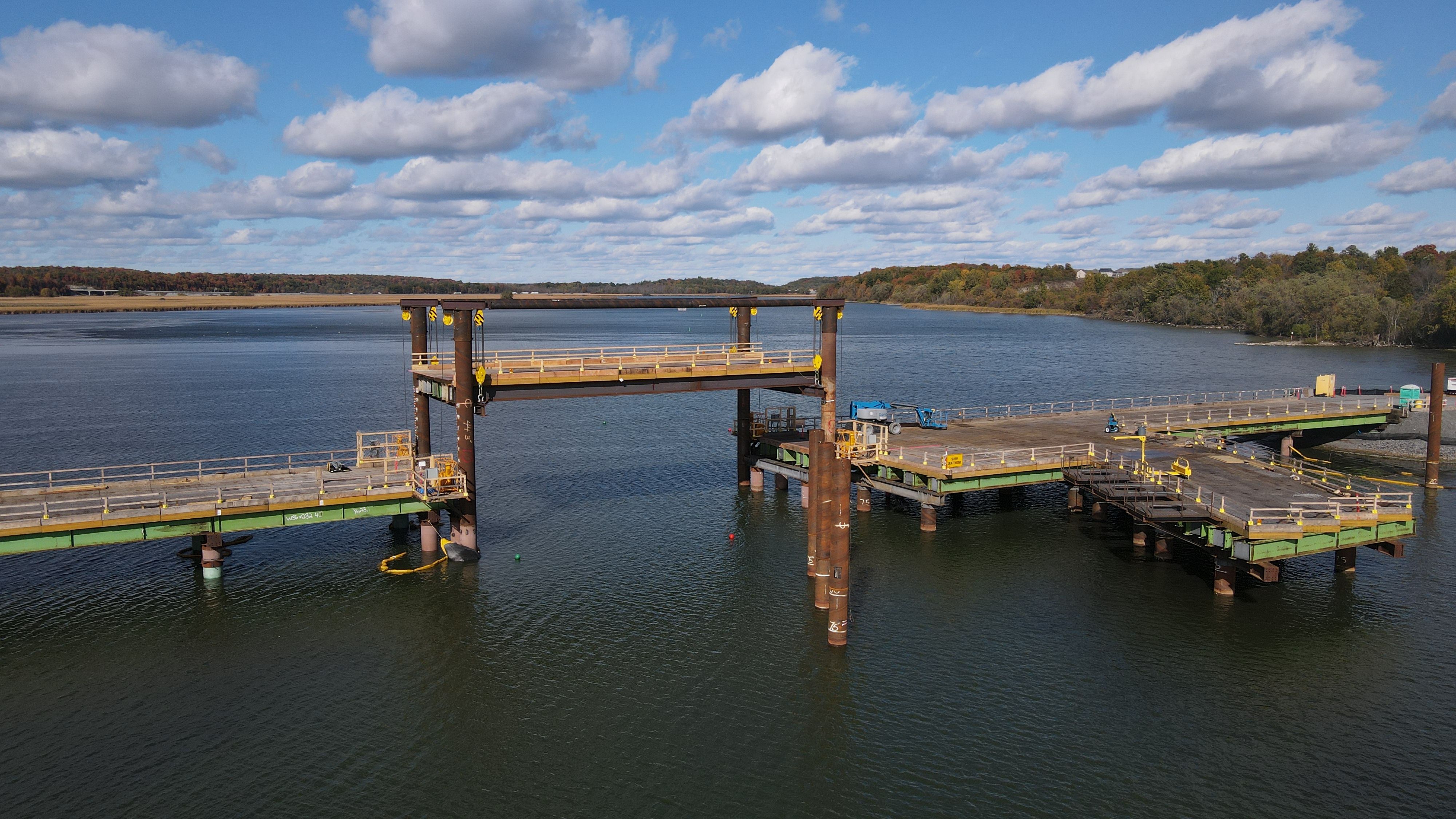
TULLOCH served as Geotechnical Engineer-of-Record for the 1.2 km Waaban Crossing Bridge, providing investigations, foundation design, monitoring, seismic analysis, and bathymetric surveys.
Get Geotechnical and Dam Engineering Support
Bring geotechnical and dam engineering expertise to your project, with professionals licensed in most Canadian provinces and select U.S. jurisdictions.
Geotechnical and Dam Engineering FAQs
Helpful information may include the site location, project objectives, available drawings and reports, previous investigations, known concerns, proposed construction, schedule, and required decisions or deliverables. TULLOCH can identify additional information needs during initial scoping.
We consider the proposed development or asset, anticipated loads, site history, available records, ground and groundwater conditions, project risks, and the decisions the investigation must support. The field program is then tailored to the required level of technical information.
A DSI generally documents current visible conditions and identifies items requiring attention or further assessment. A DSR is broader and may evaluate design information, performance history, monitoring data, failure modes, and overall safety management.
Monitoring may be appropriate when movement, settlement, groundwater, seepage, deformation, vibration, or other changing conditions could affect performance. The type, frequency, and duration of monitoring depend on the asset, site conditions, project stage, and decisions the data must support.
Our engineers can review the observed conditions, compare them with the available investigation data, and assess whether design assumptions or construction methods require adjustment. Additional testing, monitoring, or analysis may be recommended depending on the significance of the variation.