Materials Testing Services
Materials Testing for Construction Quality
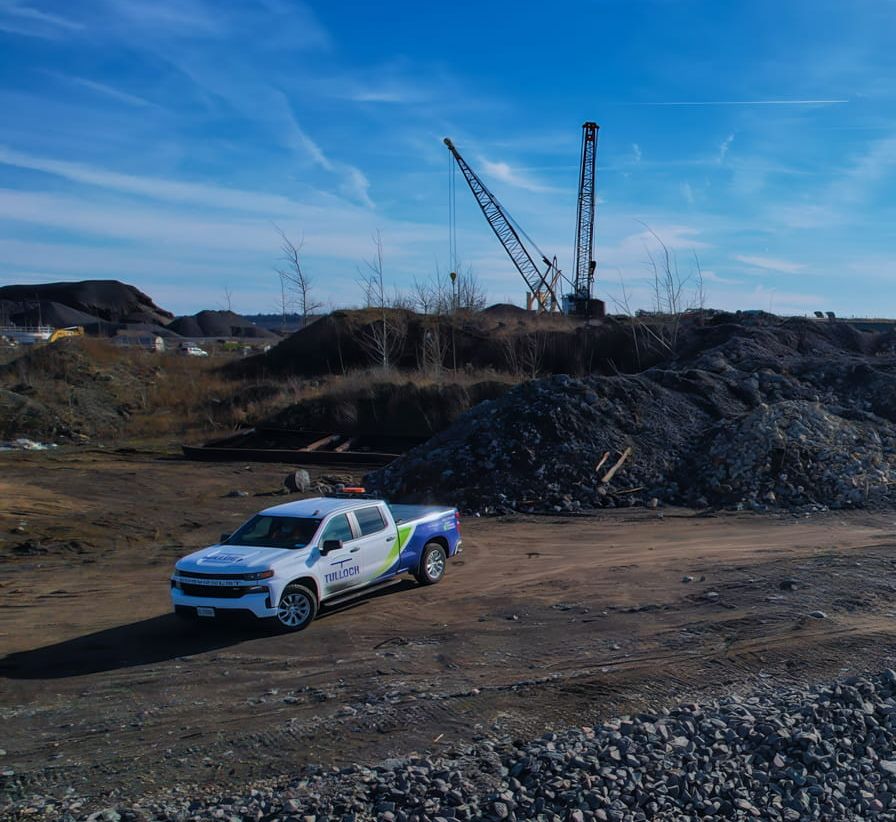
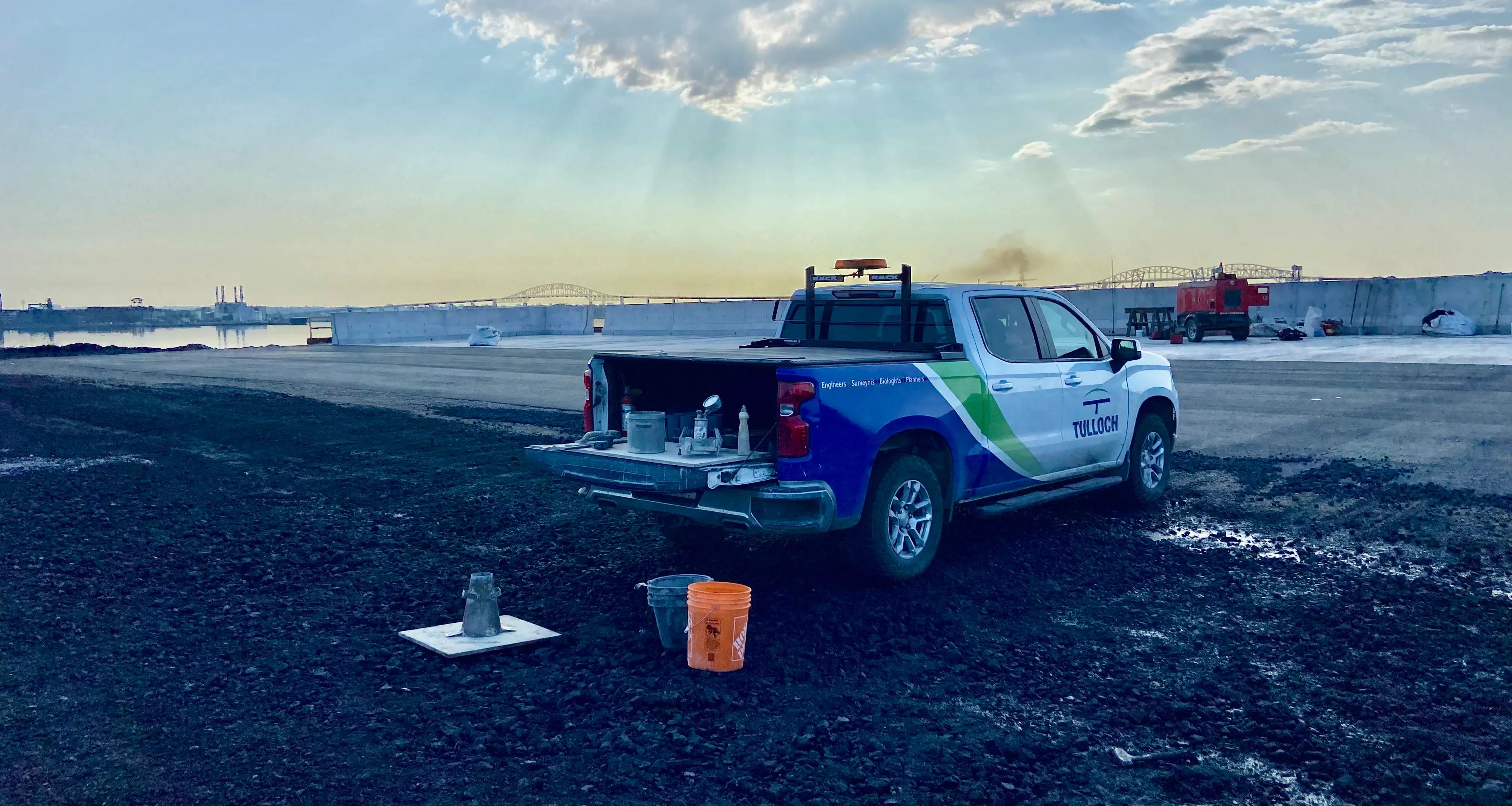
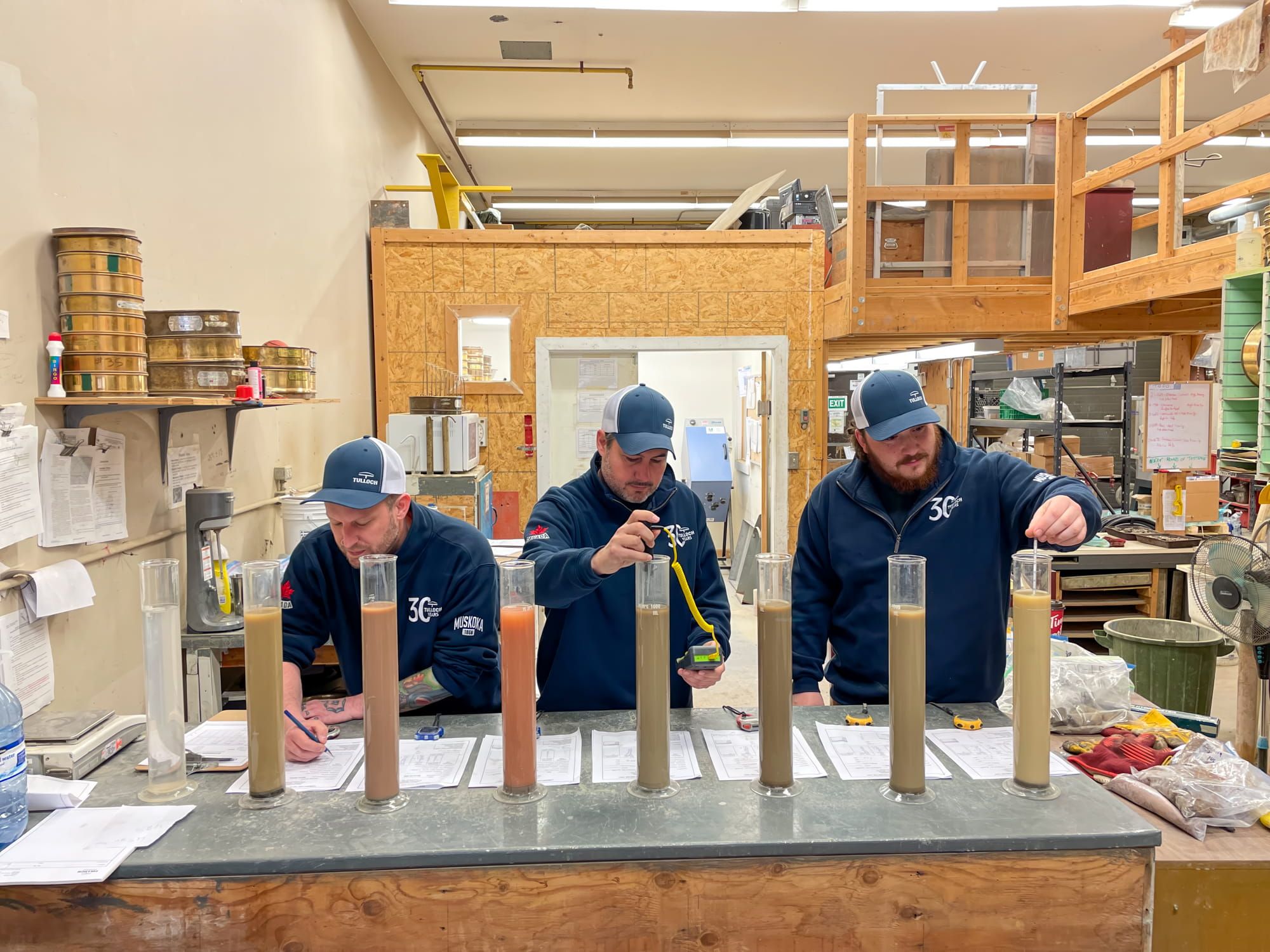
TULLOCH provides full-service laboratory support with CCIL-certified testing technicians for construction materials, including soils, aggregates, concrete, and asphalt. From our main laboratory in Sault Ste. Marie to multiple mobile testing labs deployed on active job sites, we deliver reliable testing services wherever they are needed.
Why Work With TULLOCH?
Professional Support From Testing to Reporting

Standards-Aligned Testing
Testing in accordance with applicable CSA, ASTM, MTO, or OPSS requirements maintains quality control and withstands technical review.

Schedule-Aware Service
Field and laboratory testing are coordinated with pours, paving, compaction, and other time-sensitive construction activities to help avoid delays.

Consistent Processes
Standardized procedures and timely reporting help owners, consultants, and contractors understand results, track issues, and make project decisions.
What We Offer
Service Areas
Our trained and certified technicians deliver services in line with specified project requirements and acceptance criteria.
- Plastic concrete testing for slump, air content, temperature, and unit weight to CSA and ASTM standards
- Preparation and casting of concrete test specimens
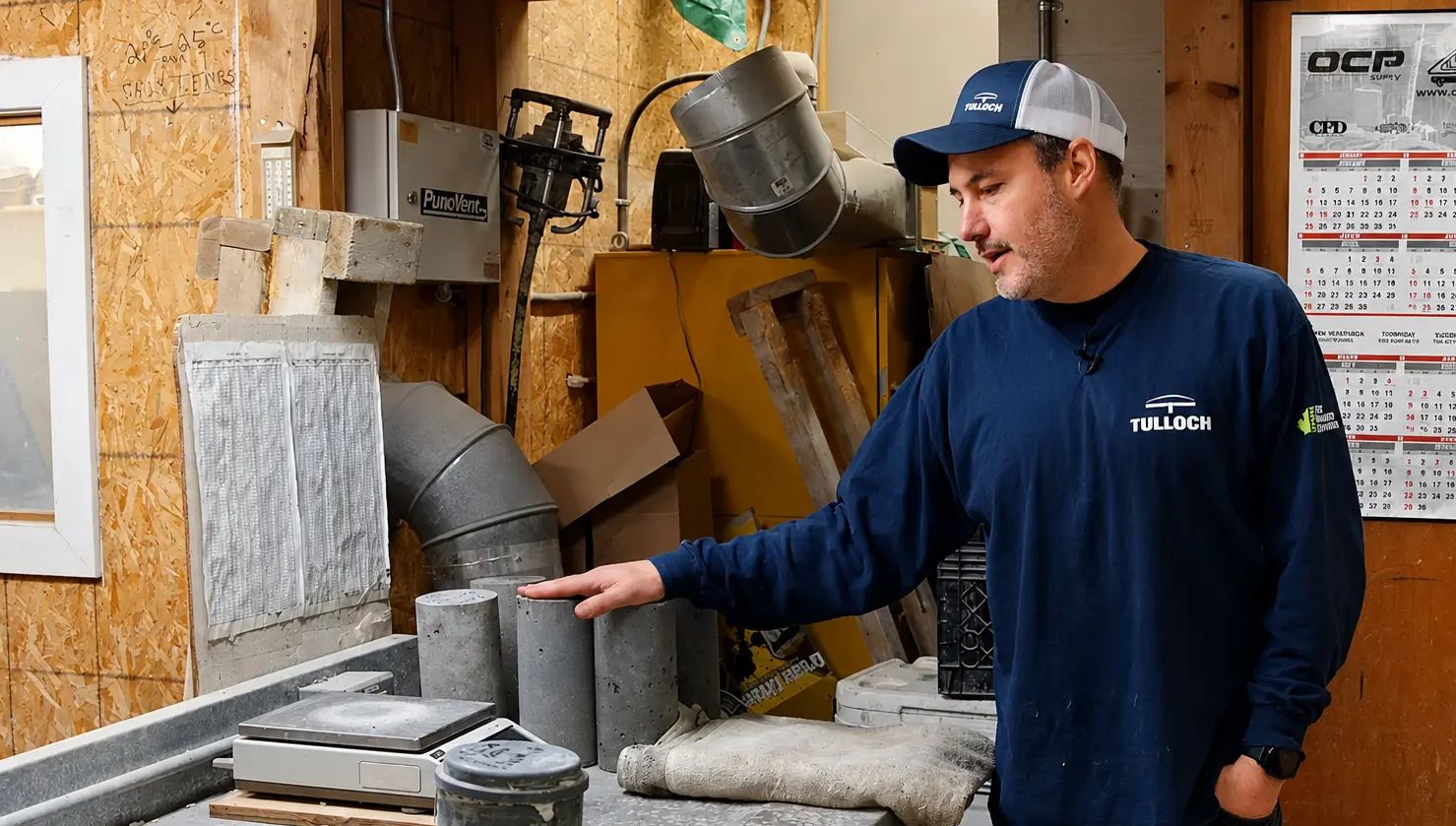
- Compressive strength testing of hardened concrete cylinders
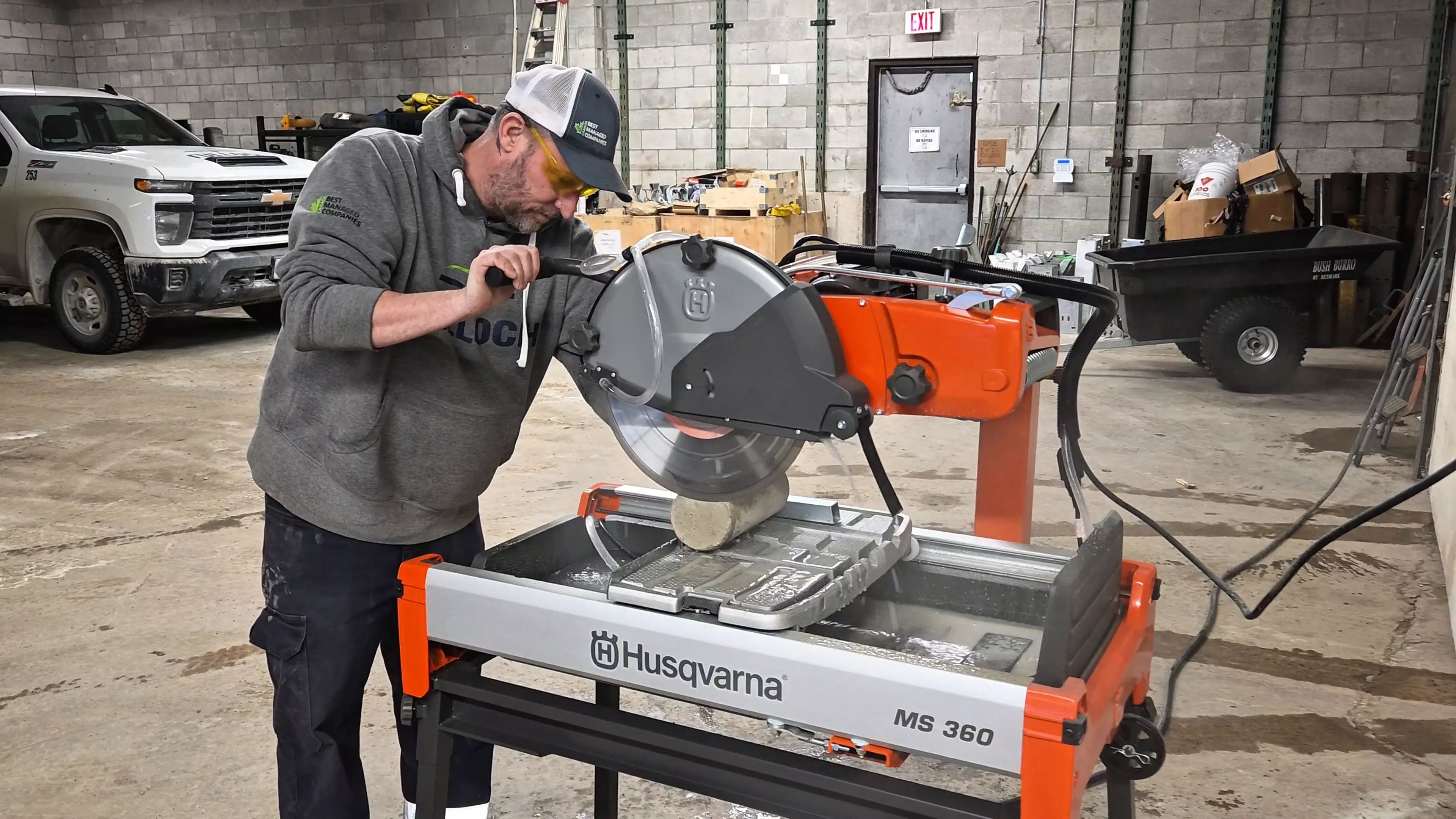
- Cylinder end preparation, including grinding, trimming, and capping
- Concrete core drilling, preparation, and compressive strength testing
- Rock core preparation and uniaxial compressive strength testing
- Concrete sampling and field quality control
- Laboratory and field testing by qualified technicians to applicable standards and project specifications
- Sieve and hydrometer analysis
- Moisture content testing
- Atterberg limits testing
- Specific gravity testing
- Organic impurity testing
- Standard and Modified Proctor density testing
- Field density and moisture testing using a nuclear gauge
- Compaction verification for earthworks and granular materials
- Washed sieve analysis for fine and coarse aggregates
- Micro-Deval abrasion testing for coarse and fine aggregate
- Bulk density and unit weight testing
- Crushed particle content testing
- Flat and elongated particle testing
- Coarse relative density testing
- Asphalt-coated particle testing
- Standard Proctor density testing
- Field density and moisture testing using a nuclear densometer
- Marshall compliance including stability and flow
- Asphalt density and air void analysis
- Voids in mineral aggregate testing
- Bulk relative density testing of asphalt specimens
- Maximum relative density testing
- Asphalt extraction
- Asphalt ignition testing
- Materials sampling, inspection, and acceptance testing aligned with project specifications, contract requirements, and applicable standards
- Field inspections and testing to verify conformance with approved drawings, specifications, codes, and quality requirements
- Testing frequency tracking and activity coordination to keep quality verification aligned with construction progress
- Inspection reports, test documentation, deficiency reports, and complete QA/QC records
- Documentation of field observations, test results, non-conformances, corrective actions, and resolutions
- Deficiency communication and response coordination with contractors, consultants, engineers, and project stakeholders
- Retesting and verification of corrective actions, with ongoing QA/QC monitoring throughout construction
Process and Methodologies
How We Run a Testing Program
Confirm Requirements
Review specifications, acceptance criteria, testing frequencies, and applicable standards before fieldwork begins.
Coordinate Testing Activities
Align sampling and testing with pours, paving, compaction, placements, and other scheduled work.
Collect Samples
Follow approved sampling procedures and maintain clear records and chain-of-custody documentation.
Complete Testing
Perform required testing using certified laboratory procedures and applicable field methods.
Review and Report Results
Review the results with our geotechnical engineers and prepare technical documentation.
Adapt the Testing Program
Adjust testing frequency and coordination as construction progresses and site conditions change.
Solutions in Action
Relevant Experience
Featured Projects
Island Gold District
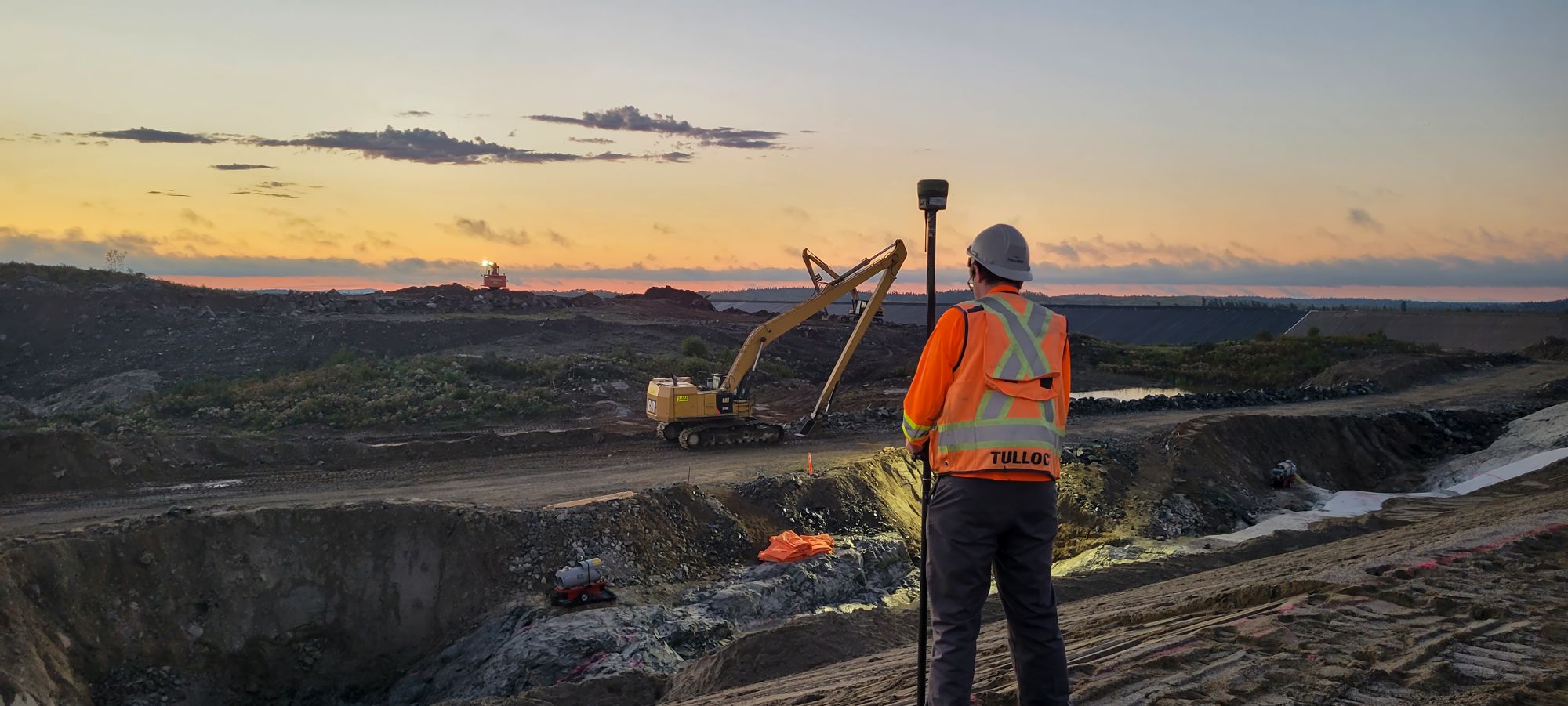
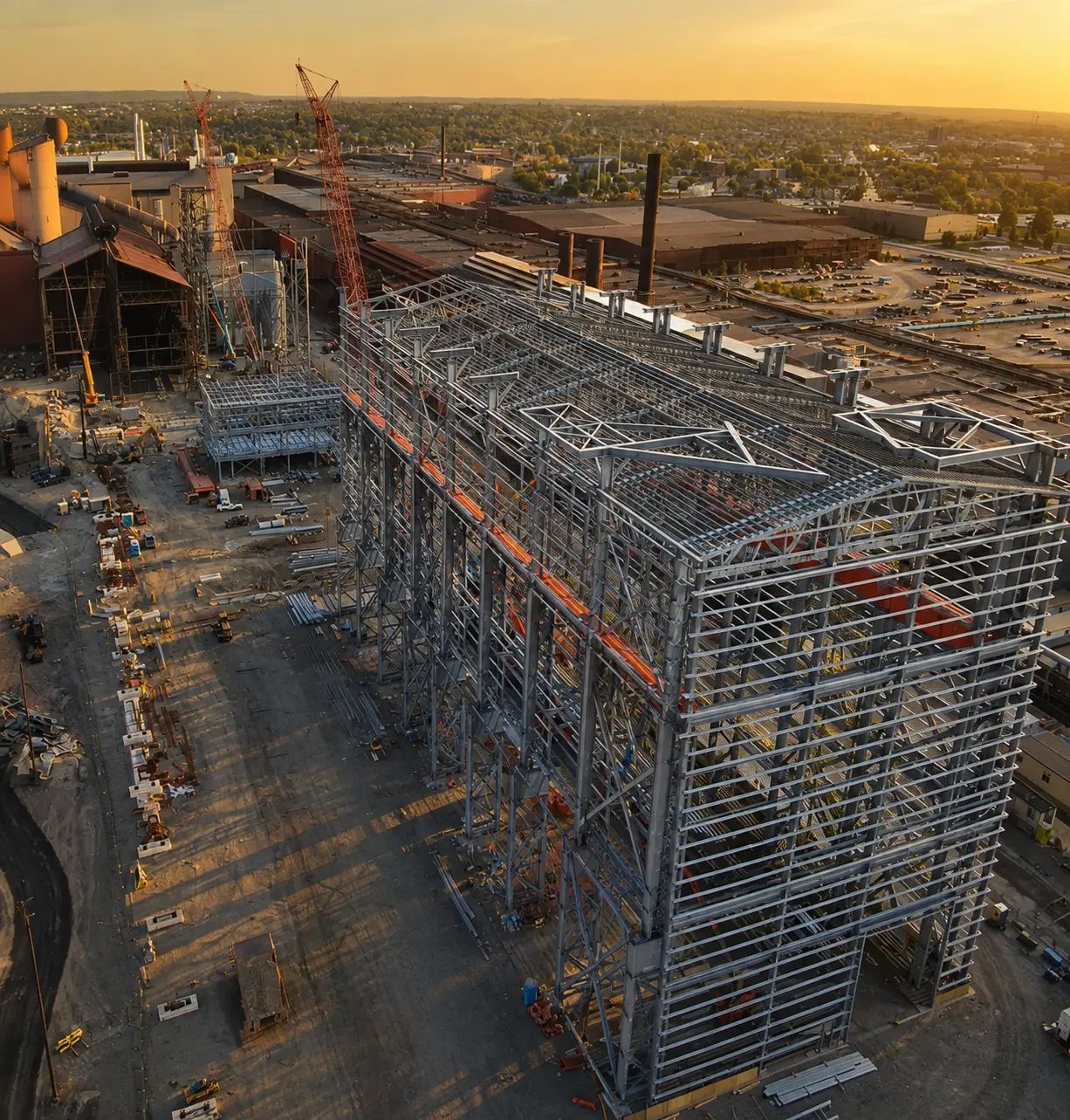
Since 2019, TULLOCH has supported the Island Gold District with multidisciplinary services across the Island Gold and Magino Mines through various development stages.
Request Materials Testing for Your Project
Coordinate field and laboratory testing from Nipigon to North Bay, with mobile labs available to support projects across Canada.
Materials Testing FAQs
Notice requirements depend on the test type, site location, and construction schedule. Contacting TULLOCH early helps us coordinate technicians, equipment, and laboratory capacity around planned activities.
Our team documents the result and communicates it to the appropriate project contacts. Depending on the project requirements, next steps may include additional sampling, retesting, technical review, or corrective action verification.
Yes. We can review project specifications, acceptance criteria, construction activities, and required testing frequencies to help establish an appropriate testing program before work begins.
Reports are reviewed by our Lab Manager and relevant engineers when required and can be distributed to the designated project contacts, such as owners, consultants, contractors, or construction managers. Distribution and reporting requirements are confirmed when the testing program is established.
Yes. TULLOCH deploys mobile testing capabilities to remote, northern, and active construction sites, subject to project scope, access, equipment requirements, and technician availability.