Environmental Services
Environmental Consulting for Complex Projects
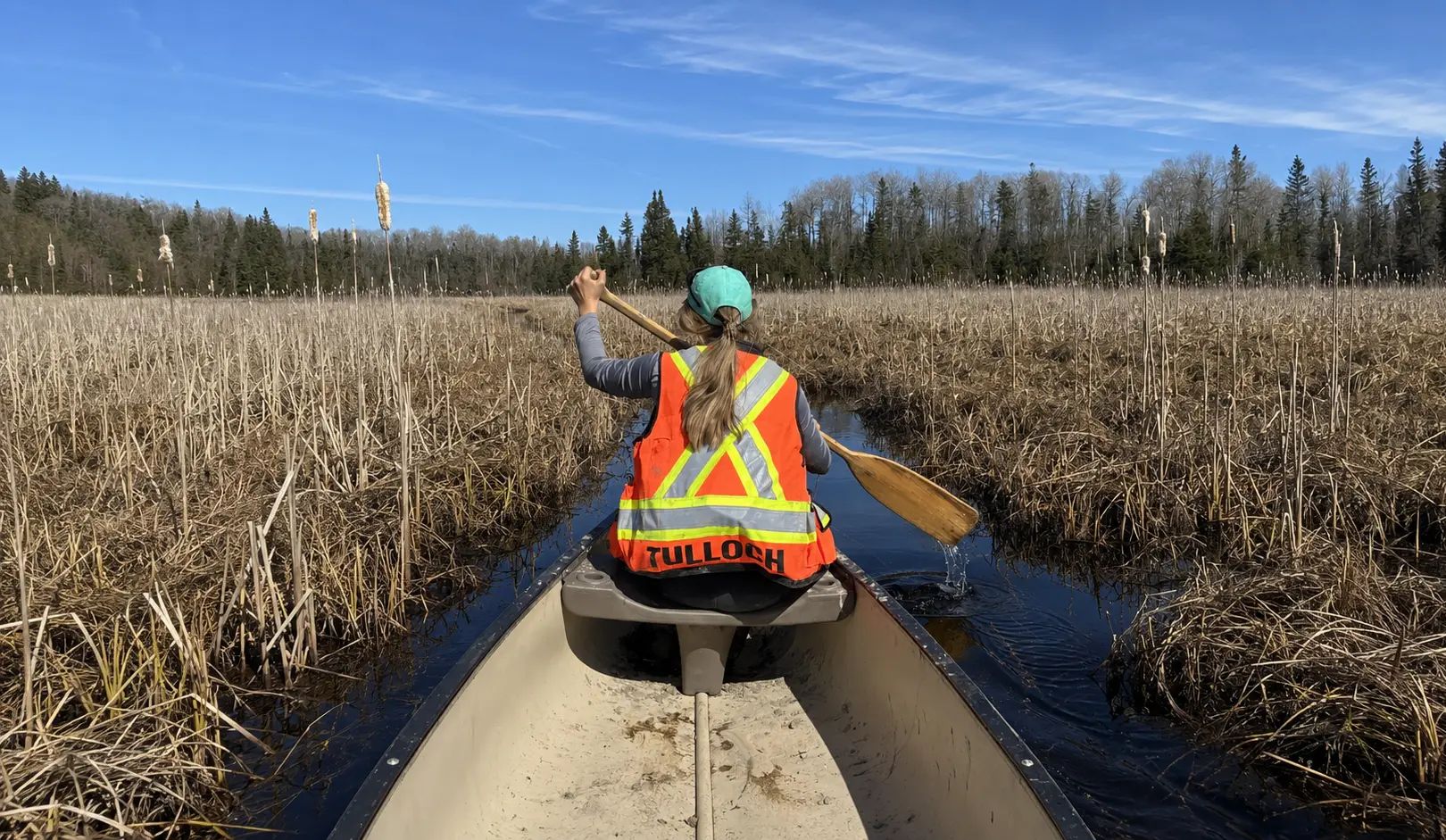
TULLOCH’s ecologists, biologists, engineers, geologists, and environmental specialists help public and private sector clients navigate regulatory obligations, understand site constraints, and minimize environmental impacts at both new projects and existing operations. From baseline studies and permitting through remediation and long-term site care, we translate technical findings into clear next steps to help clients advance projects responsibly.
Why Work With TULLOCH?
Applied Science and Engineering for Site Realities

Focused Scope
Studies and assessments are scaled to defined risks and requirements, helping clients control effort, cost, and schedule more effectively.

Actionable Findings
Proven methods and evidence-based reporting provide usable information for regulatory review, approvals, project planning, and site management.

Adaptive Management
Ongoing monitoring helps clients identify changing conditions and adjust mitigation, remediation, and management measures before issues escalate.
What We Offer
Service Areas
- Environmental Impact Studies and other impact assessments
- Natural heritage investigations, constraint mapping, and GIS support
- Terrestrial habitat assessments, ecological land classification, and biodiversity inventories
- Wetland mapping and evaluation, including OWES
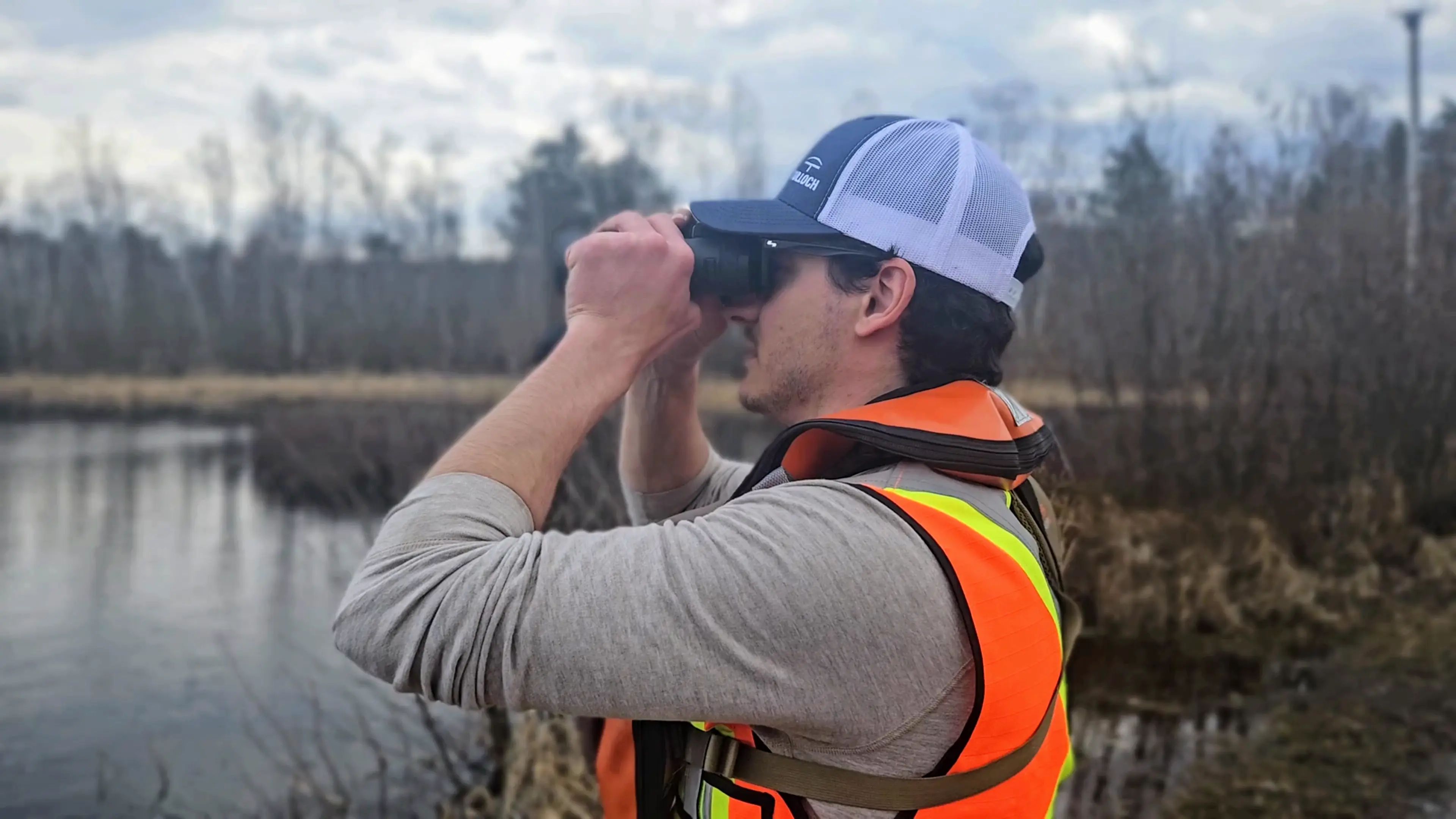
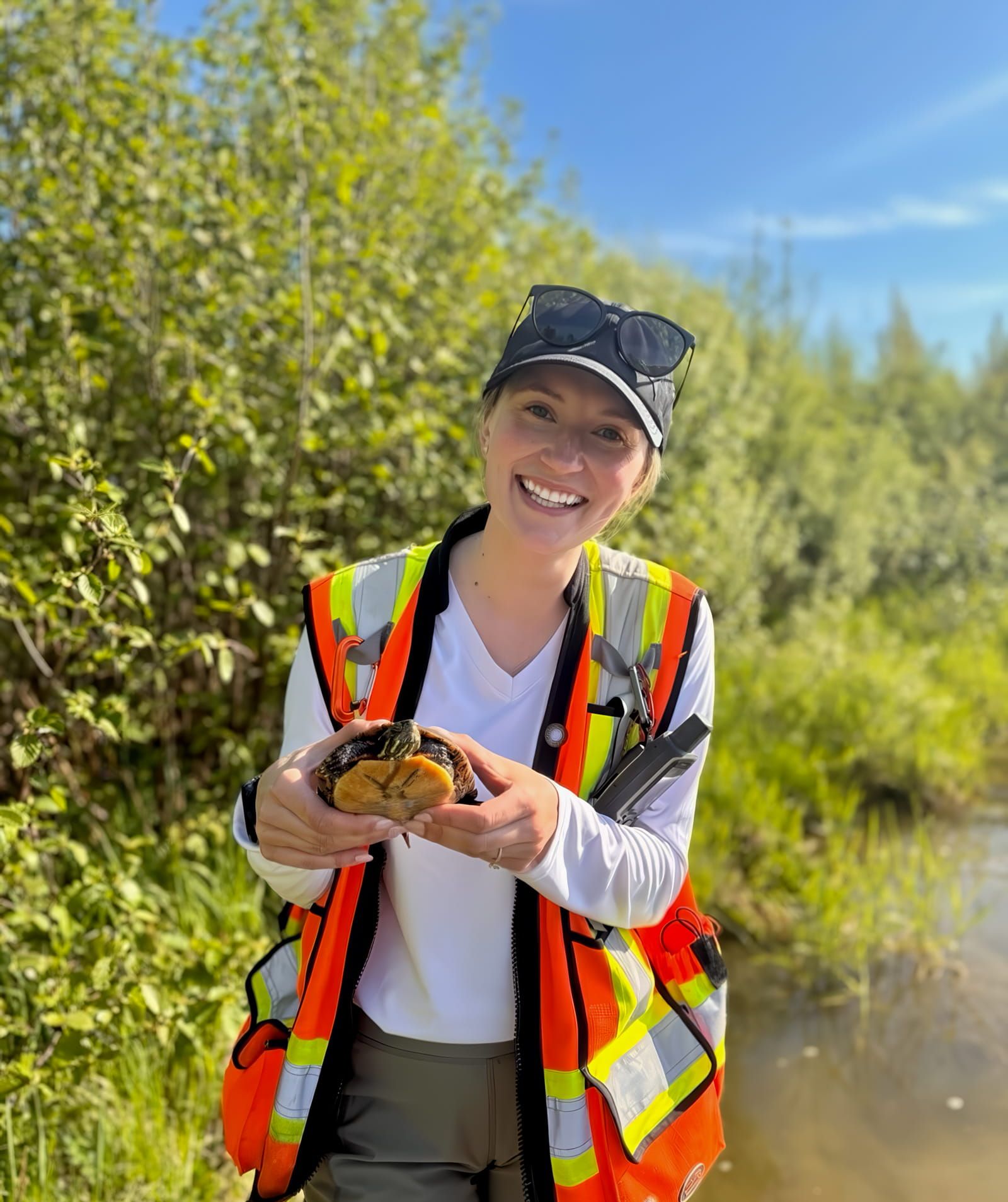
- Species at Risk, migratory bird, and wildlife studies and monitoring
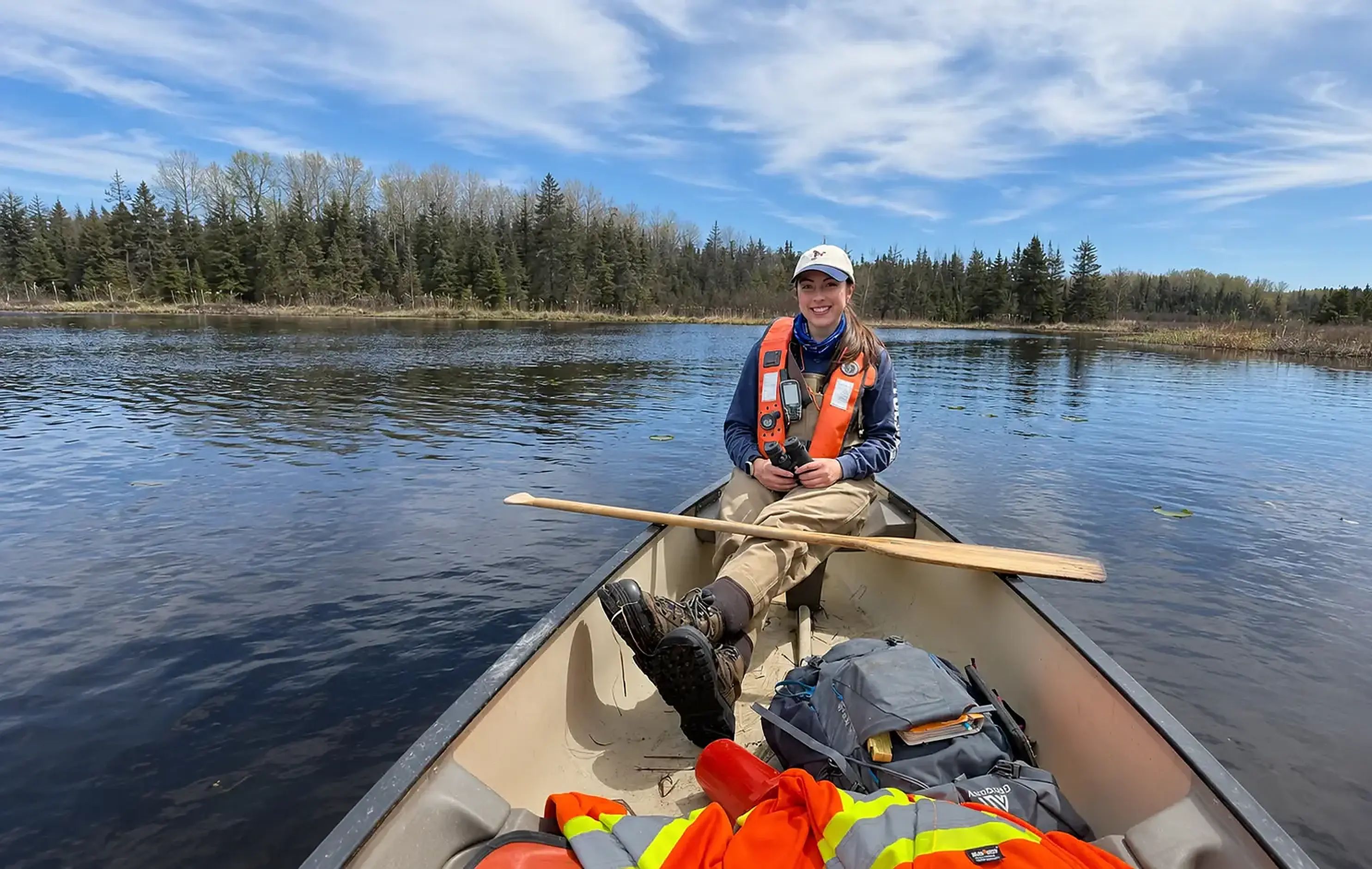
- Aquatic habitat and fisheries assessments, including boat-based electrofishing, fish community and fish health studies, and benthic and sediment sampling
- EEM and BACI studies
- Mitigation, compensation, and impact management planning
- Regulatory consultation with municipalities, conservation authorities, provincial ministries, and federal agencies
- Environmental permitting under applicable species, fisheries, navigable waters, public lands, and conservation authority legislation
- Environmental Compliance Approval support
- Community outreach and Indigenous consultation
- Qualified Person oversight, inspections, and worksite staff training
- Environmental compliance monitoring, reporting, and commitment tracking
- Baseline sampling and monitoring of surface water, groundwater, soil, sediment, hydrology, and habitat
- Air quality and dust monitoring
- Landfill monitoring
- Construction monitoring and erosion and sediment control
- Final effluent flow monitoring device calibration
- Long-term environmental monitoring programs
- Phase I and Phase II Environmental Site Assessments completed to CSA and Ontario Regulation 153/04 requirements
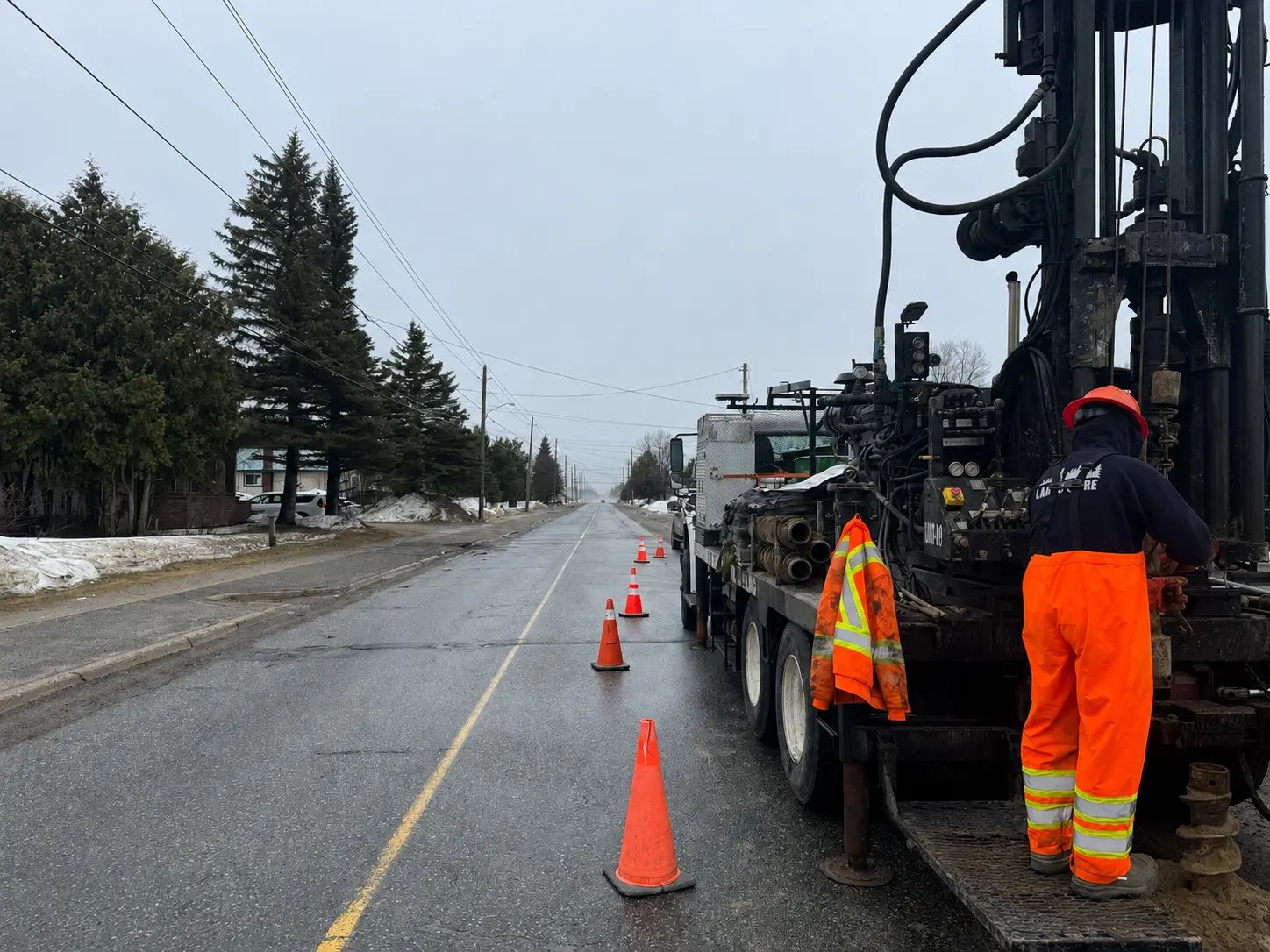
- Soil and groundwater investigations to identify and delineate potential contamination, including PFAS
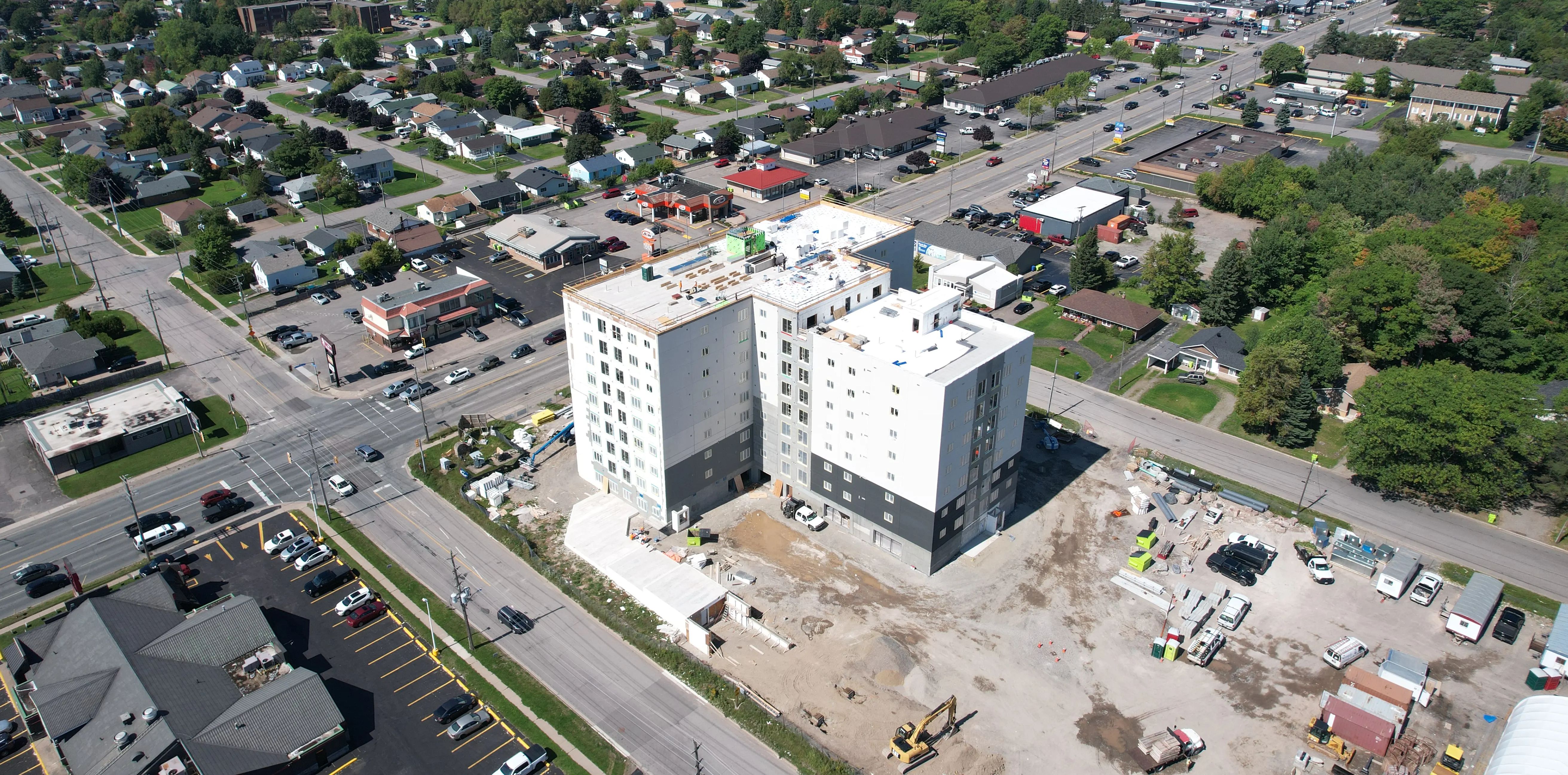
- Brownfield redevelopment and Record of Site Condition submissions
- Remediation action planning, design, implementation, and verification
- In situ and ex situ soil and groundwater remediation
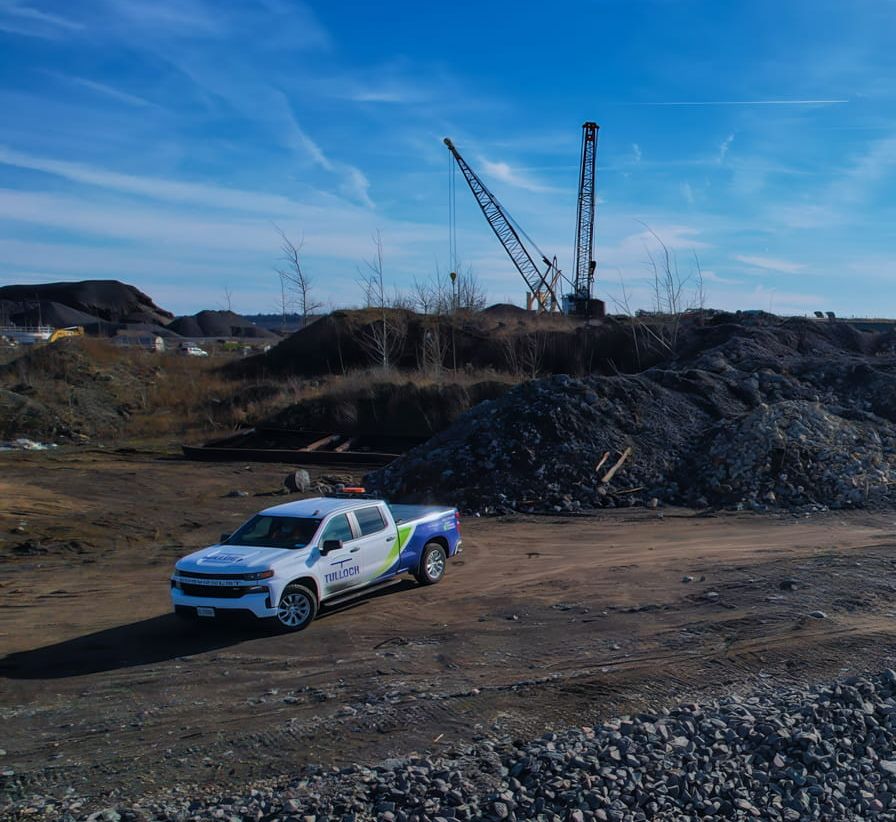
- Excavation oversight, site supervision, spill response, and cleanup
- Excess soil management aligned with Ontario Regulation 406/19
- Assessments of past uses and sampling and analysis plans
- Excess soil characterization and destination assessment reports
- Registry notices and on-site soil management plans
- Designated substances surveys and hazardous materials assessments
- Identification of asbestos, lead, silica, mercury, mould, PCBs, ozone-depleting substances, radioactive materials, and other hazardous products
- Monitoring well, septic system, oil-water separator, and underground storage tank decommissioning
- Mine closure feasibility studies and strategy development
- Closure cost estimates and financial assurance support
- Ongoing site care, maintenance, and environmental monitoring
- Closure reporting and management of legacy site conditions
Process and Methodologies
From Early Assessment to Long-Term Management
Desktop Review
Available information is reviewed to clarify potential impacts on permitting, fieldwork, schedule, cost, and project feasibility.
Baseline Field Investigations
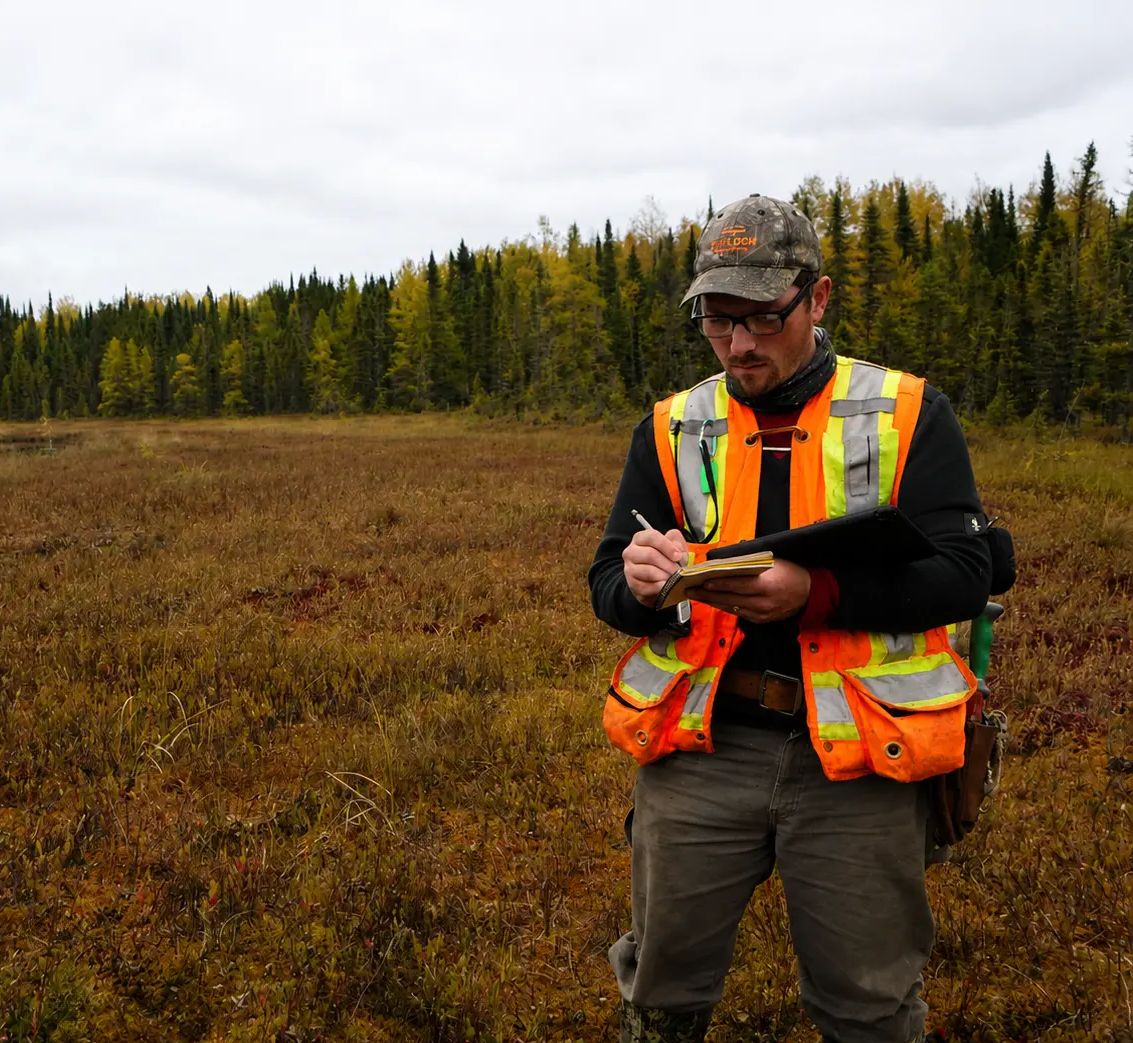
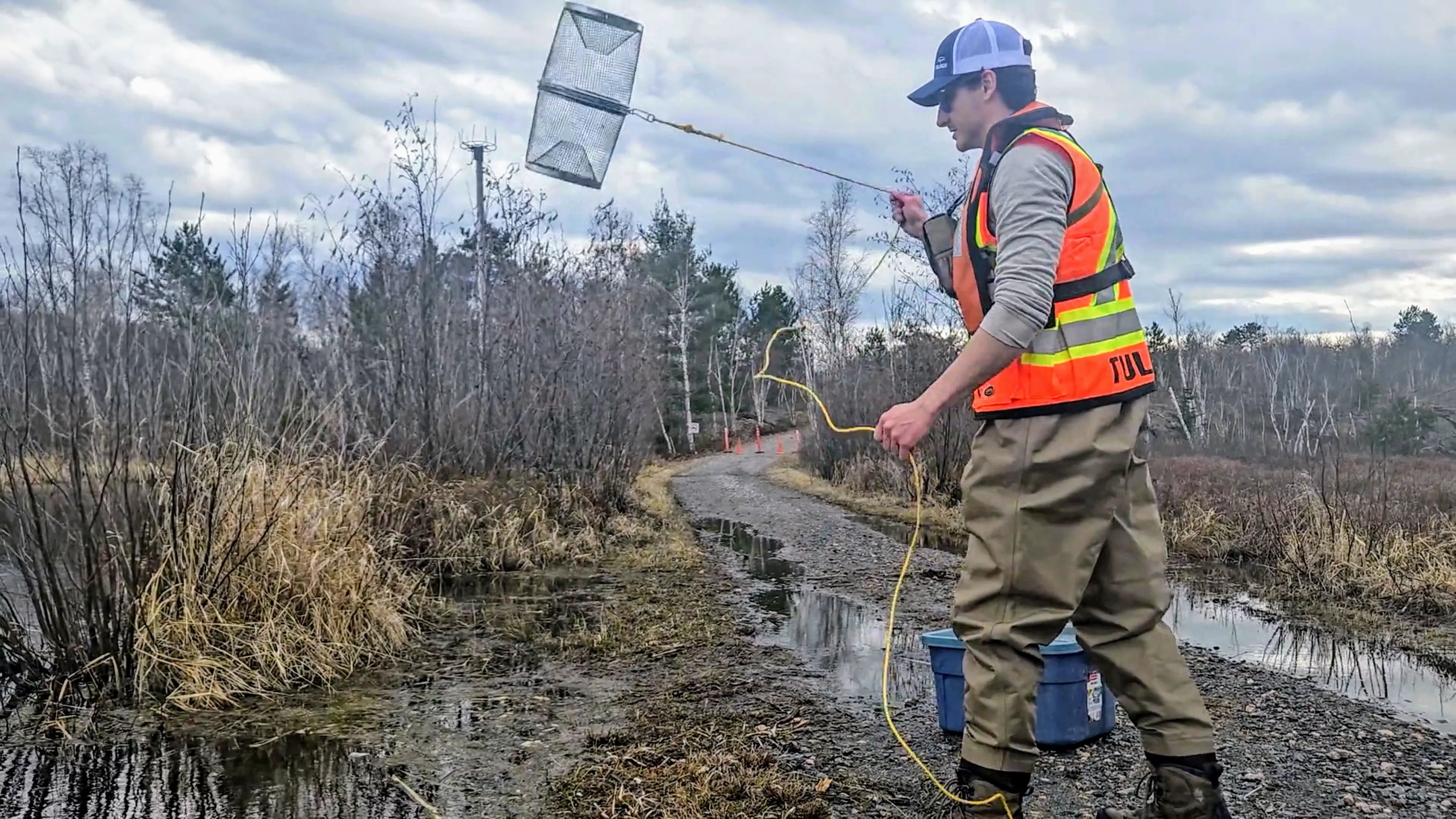
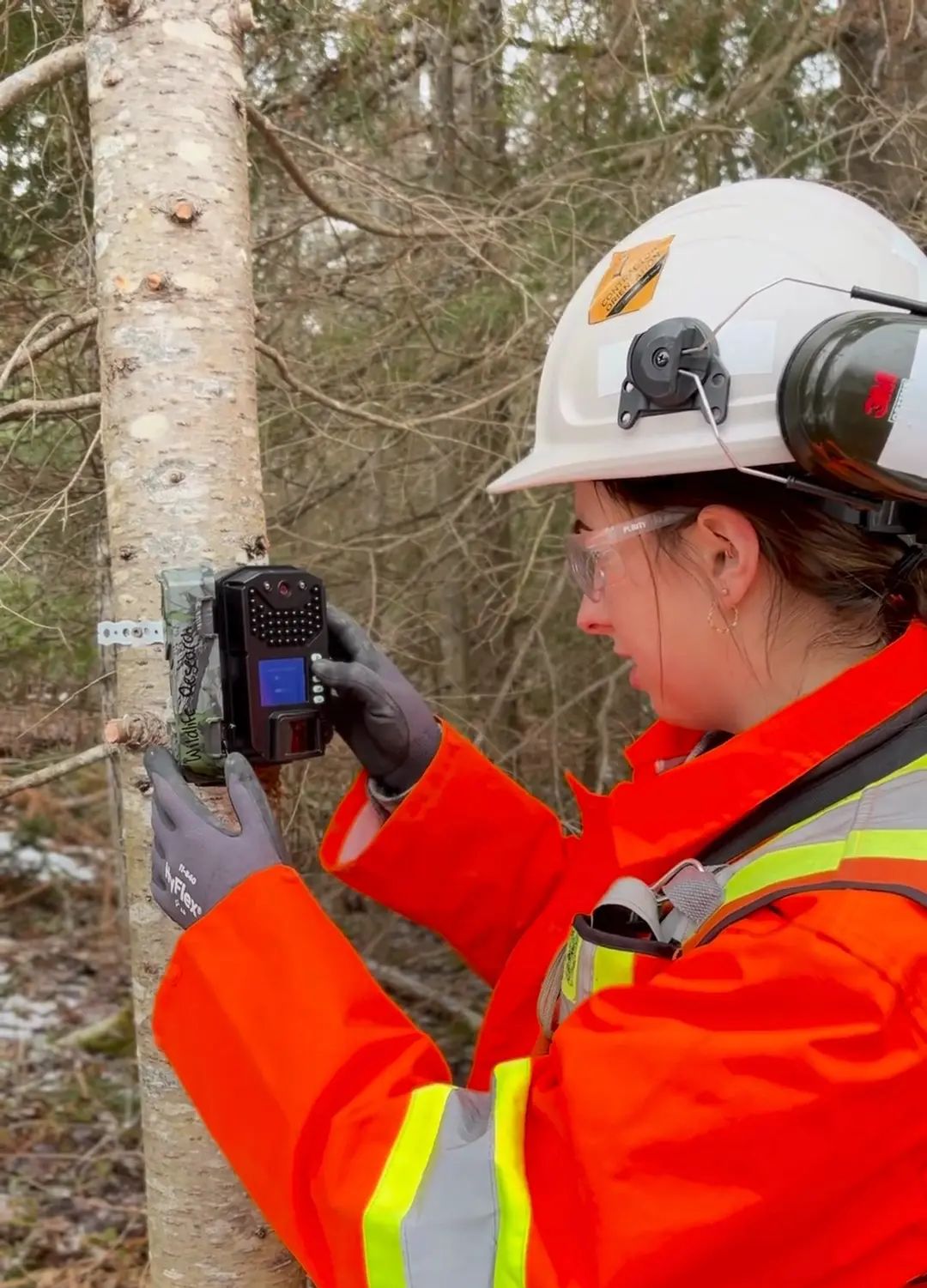
Field teams document ecological, water, soil, groundwater, and site conditions to establish reliable baseline information.
Studies and Sampling
We complete focused surveys, assessments, sampling, and monitoring programs based on site conditions and applicable requirements.
Analysis and Guidance
We evaluate results and recommend practical options for avoidance, mitigation, remediation, management, or further investigation.
Permitting and Reporting
We prepare technical reports and submissions while coordinating requirements with agencies, reviewers, stakeholders, and project teams.
Monitoring and Stewardship
Monitoring, reporting, remediation verification, closure planning, and site care help clients manage changing conditions and long-term obligations.
Solutions in Action
Relevant Experience
Featured Projects
Deep Geological Repository Environmental Program
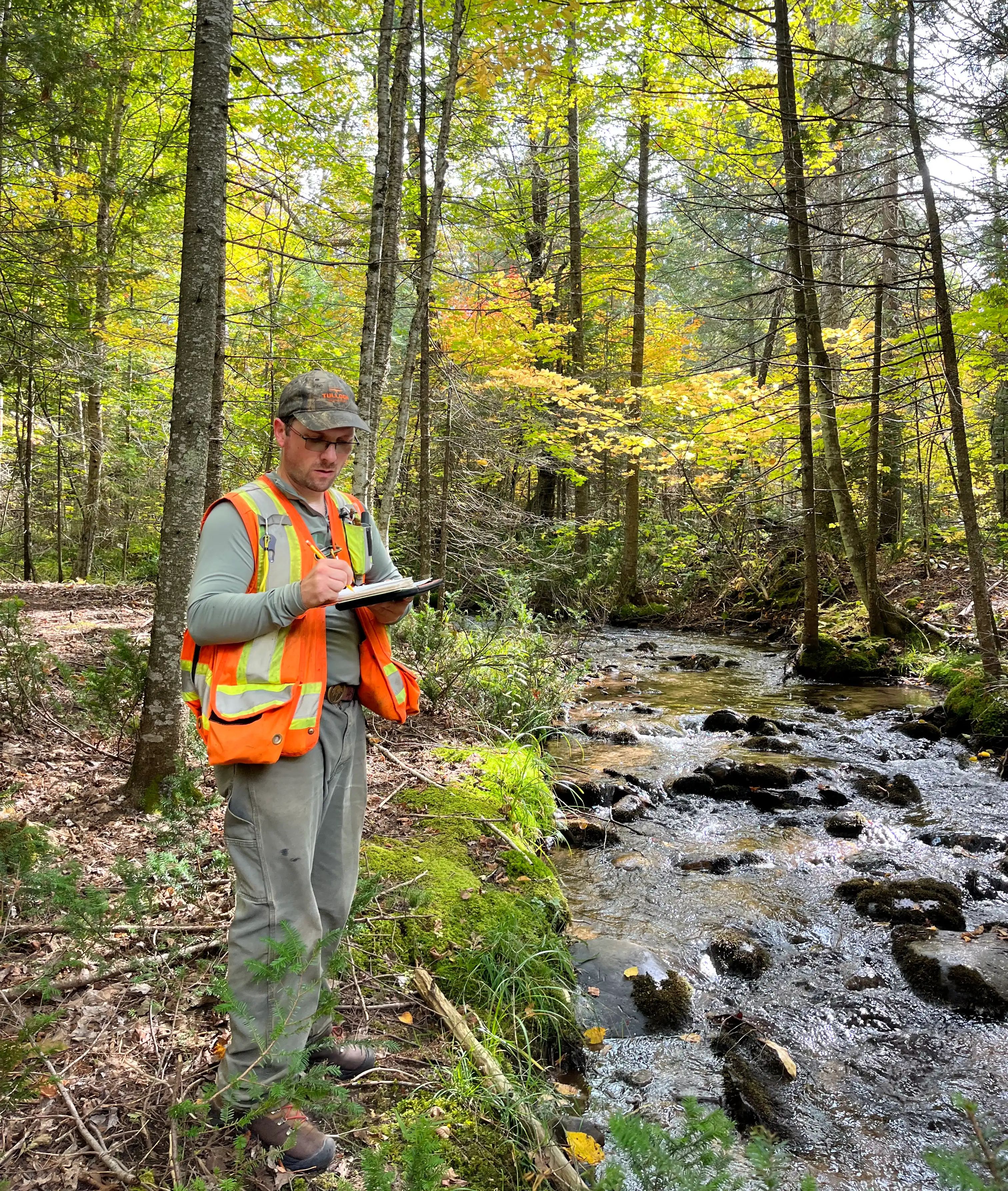
Since 2016, TULLOCH has supported the deep geological repository environmental program through baseline monitoring, aquatic and terrestrial assessments, GIS mapping, field investigations, and reporting for permitting approvals.
Get the Environmental Support You Need
Connect with environmental scientists and engineers providing consulting and field services across Ontario.
Get Answers
Environmental Services FAQs
Useful starting information includes the site location, project type, schedule, available reports, known concerns, property history, and proposed site activities. TULLOCH can help identify information gaps and determine the appropriate next step.
Yes. Some ecological surveys must occur during specific seasons, weather conditions, or species activity periods. Early scheduling helps project teams account for these windows before they affect design, approvals, or construction.
A Phase I ESA reviews historical records, site use, and observations to identify potential environmental concerns. A Phase II ESA uses soil, groundwater, or other sampling to investigate concerns identified during the initial review.
Requirements depend on the project, excavation activities, soil destination, applicable regulations, and site conditions. Early review helps determine characterization, tracking, registry, documentation, and reuse or disposal needs.
The duration depends on permit conditions, project risks, site performance, closure requirements, and the purpose of the program. Some assignments require short construction-period monitoring, while others continue through operations, remediation, or post-closure care.